
European Prosecutors Investigate Cross-Border €10M EU Funds Fraud Scheme
Coordinated raids in Bulgaria and Romania target suspected misuse of development funding
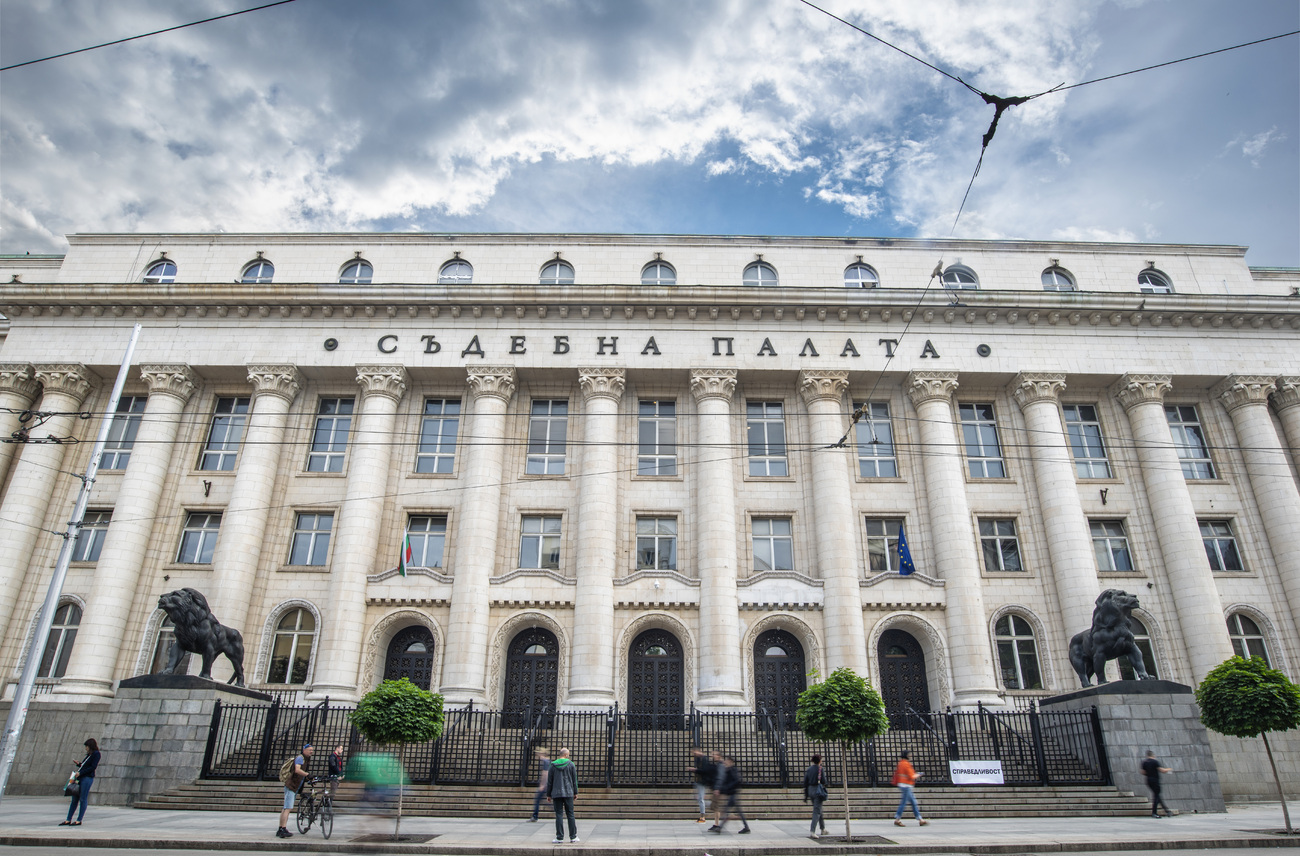
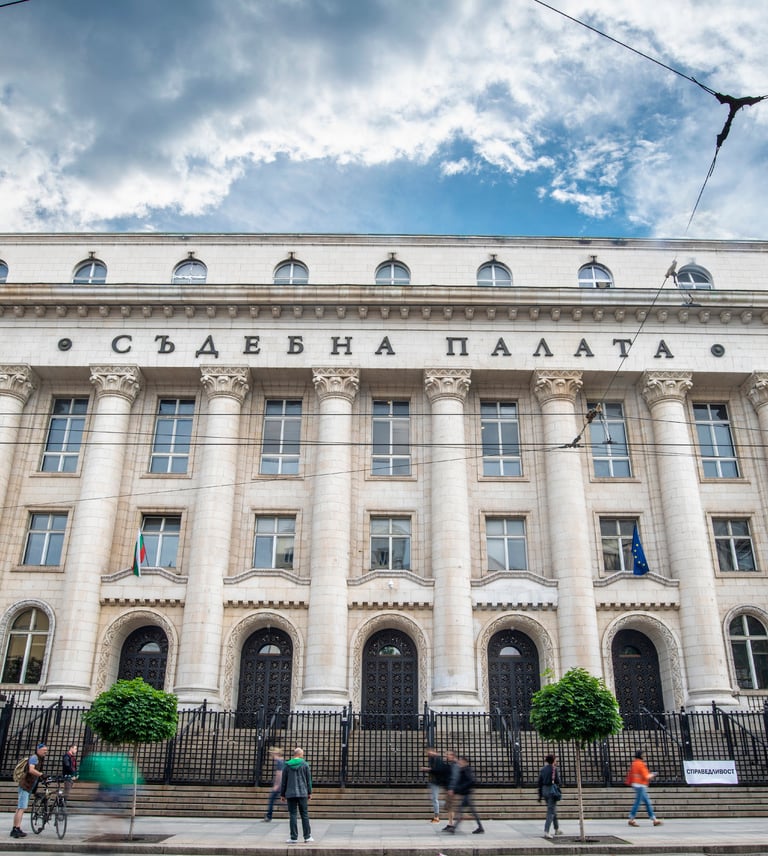
European prosecutors have launched a large-scale investigation into suspected fraud involving European Union funds, carrying out coordinated searches in multiple countries, including Bulgaria and Romania. The operation, led by the European Public Prosecutor’s Office, involved 14 searches at private residences and company premises, highlighting a complex case of cross-border financial crime (трансгранично финансово престъпление) [transgranichno finansovo prestaplenie] and coordinated investigative action (координирани разследващи действия) [koordinirani razsledvashti deystviya] across jurisdictions.
Authorities confirmed that the operation was coordinated from Bucharest, with support from law enforcement bodies in Austria and the United Kingdom. Seven individuals have been identified as suspects in connection with the case, which reflects growing concerns about multi-jurisdictional enforcement challenges (предизвикателства при правоприлагане в множество юрисдикции) [predizvikatelstva pri pravoprilagane v mnozhestvo yurisdiktsii] and international cooperation frameworks (рамки за международно сътрудничество) [ramki za mezhdunarodno satrudnichestvo].
The investigation focuses on two EU-funded projects with a combined value of nearly €20 million, involving lithium-ion battery production and prefabricated modular metal structures. Prosecutors allege that between 2020 and 2024, beneficiaries submitted “false or inaccurate documents” to obtain funding, pointing to systematic document falsification practices (практики на фалшифициране на документи) [praktiki na falshifitsirane na dokumenti] and funding eligibility manipulation (манипулиране на допустимостта за финансиране) [manipulirane na dopustimostta za finansirane].
Investigators identified several irregularities, including fabricated bids designed to artificially inflate project costs. In addition, misleading documentation was allegedly used to demonstrate financial capacity, while the same financial resources were repeatedly circulated between accounts. This practice created the illusion of stability through artificial liquidity simulation (симулиране на изкуствена ликвидност) [simulirane na izkustvena likvidnost] and financial misrepresentation schemes (схеми за финансово подвеждане) [shemi za finansovo podvezhdane].
According to the investigation, funds were temporarily transferred between accounts “only for the period necessary to generate supporting bank statements.” These tactics allowed the suspects to secure approximately €7.5 million from the European Regional Development Fund, illustrating vulnerabilities in grant allocation oversight (контрол върху разпределението на средства) [kontrol varhu razpredelenieto na sredstva] and public funding verification systems (системи за проверка на публично финансиране) [sistemi za proverka na publichno finansirane].
Authorities also suspect that a public official facilitated one of the projects by approving inaccurate inspection reports. These reports falsely indicated that essential equipment had been delivered, despite evidence that no such purchases had been made. This raises concerns about administrative misconduct involvement (участие в административни злоупотреби) [uchastie v administrativni zloupotrebi] and inspection process manipulation (манипулиране на процеса на проверка) [manipulirane na protsesa na proverka] within regulatory oversight.
Once the funding had been obtained, investigators believe that complex financial arrangements were used to redirect the money for personal benefit. These mechanisms involved both domestic and international transfers designed to conceal the origin and destination of funds, reflecting typical patterns of money laundering operations (операции по изпиране на пари) [operatsii po izpirane na pari] and asset concealment strategies (стратегии за укриване на активи) [strategii za ukrivane na aktivi].
The suspected activities are being examined under multiple criminal categories, including fraud, document forgery and money laundering. The European Public Prosecutor’s Office confirmed that it is working closely with national authorities, including Bulgaria’s National Investigation Service and the Directorate General for the Prevention of Money Laundering, to gather evidence. This collaboration reflects ongoing efforts to strengthen anti-fraud enforcement mechanisms (механизми за борба с измамите) [mehanizmi za borba s izmamite] and institutional investigative capacity (институционален капацитет за разследване) [institutsionalen kapatsitet za razsledvane].
The case highlights broader challenges faced by the European Union in safeguarding public funds, particularly in large-scale development projects involving multiple stakeholders. Ensuring transparency and accountability remains a priority, especially in sectors requiring significant capital investment. The investigation underscores the importance of financial accountability standards (стандарти за финансова отчетност) [standarti za finansova otchetnost] and fraud prevention systems (системи за предотвратяване на измами) [sistemi za predotvratyavane na izmami] in maintaining the integrity of EU funding programs.
For enquiries and suggestions: pr@speakbulgarian.org
Land of Hidden Wonders
© 2026 All rights reserved
Learn the official language of Bulgaria in 30 days thanks to the most complete Grammar, Vocabulary and Culture courses available. Start speaking Bulgarian today!




Courses
Grammar Vocabulary
Culture