
Bulgarian Orthodox Church Cancels Jerusalem Delegation for Holy Fire Amid Security Concerns
Ongoing conflict and travel risk warnings lead to second consecutive year of altered Easter tradition
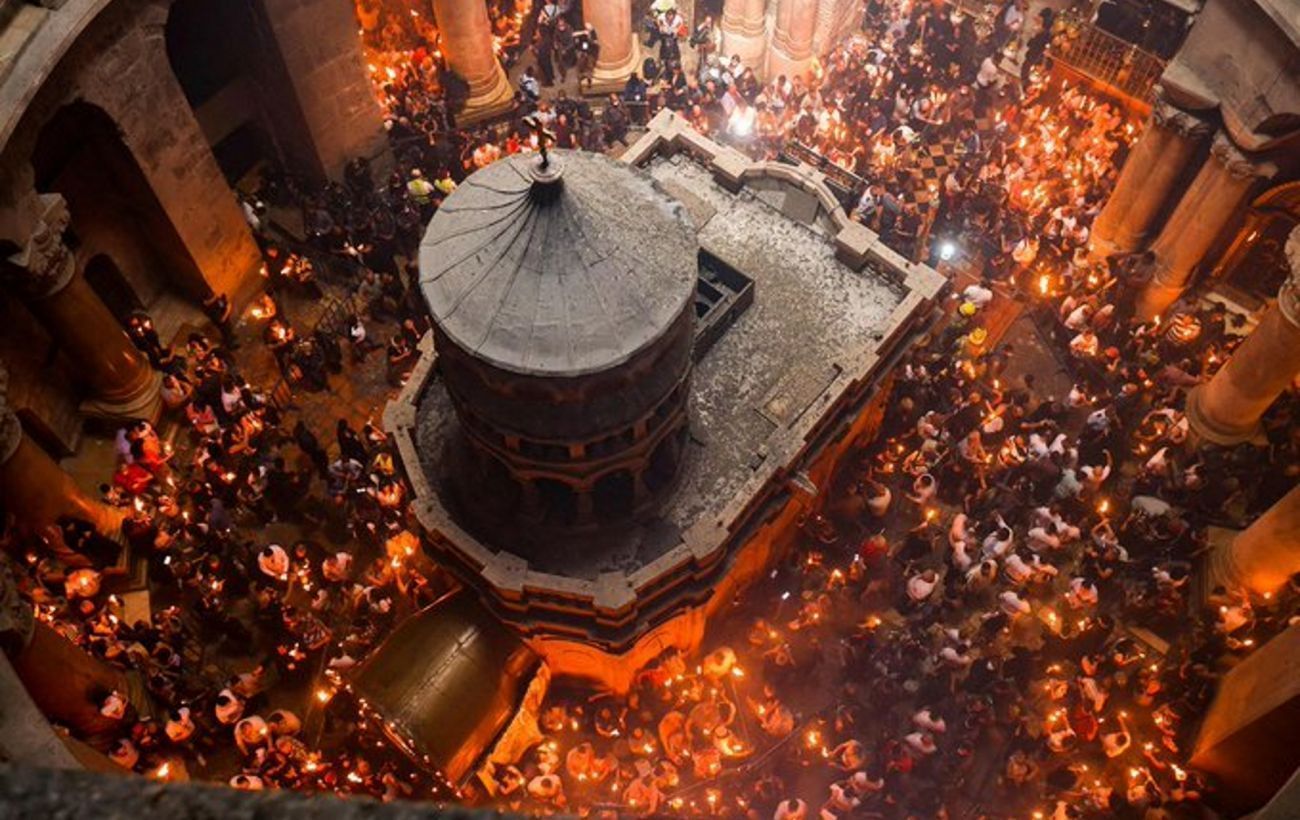
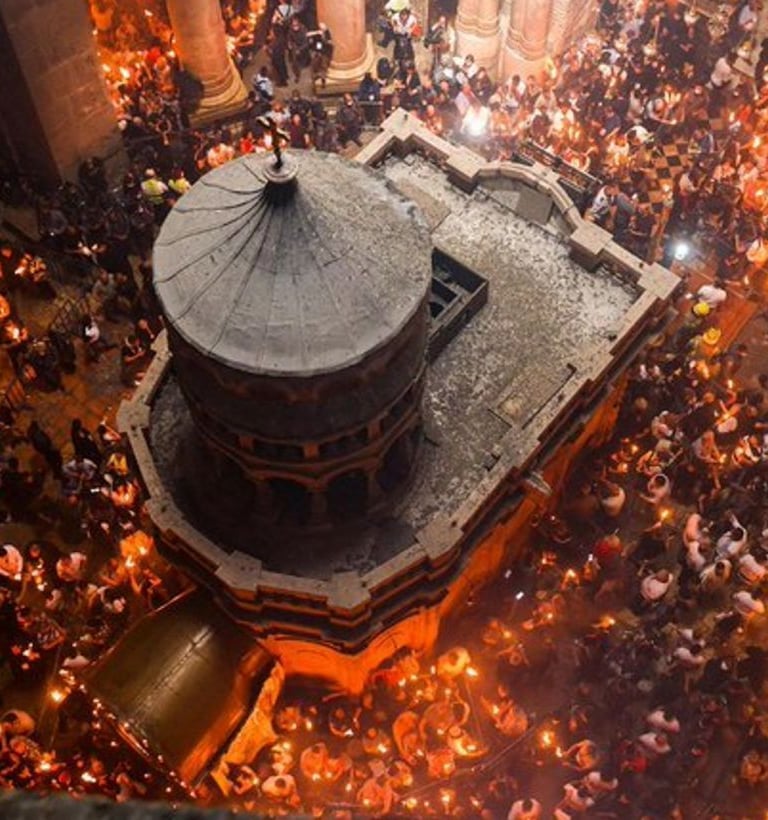
The Holy Synod of the Bulgarian Orthodox Church announced on April 9 that it would not send a delegation to Jerusalem to bring the traditional Holy Fire ritual (ритуалът на Благодатния огън) [ritualat na Blagodatniya ogan] to Bulgaria for Easter 2026. The decision reflects heightened concerns related to regional security risks (регионални рискове за сигурността) [regionalni riskove za sigurnostta], particularly due to ongoing military developments in the Middle East.
The Holy Fire is considered a central element of Orthodox Easter observance, with believers viewing its appearance in Jerusalem as a religious miracle phenomenon (религиозен чудотворен феномен) [religiozen chudotvoren fenomen]. Each year, the flame is traditionally received from the Church of the Holy Sepulchre and transported to various Orthodox countries as part of liturgical ceremonial practice (литургична церемониална практика) [liturgichna tseremonialna praktika].
In its official statement, the Holy Synod cited security assessments issued by Bulgaria’s Ministry of Foreign Affairs, which classified travel to Israel and Palestine at the highest level of warning. Authorities advised suspending all travel and leaving the area, emphasizing travel risk classification (класификация на риска при пътуване) [klasifikatsiya na riska pri patuvane] and conflict zone restrictions (ограничения за зони на конфликт) [ogranicheniya za zoni na konflikt] as determining factors in the decision.
“In view of the ongoing military actions in the Middle East region and the Travel Risk Index to Israel and Palestine, level 5, determined by the Ministry of Foreign Affairs of the Republic of Bulgaria with a warning to suspend all travel and leave the area, the Holy Synod decided not to send a delegation to Israel and the holy city of Jerusalem for the transfer of the Holy Fire in Bulgaria,” the Synod stated. This position highlights the influence of state security advisories (държавни препоръки за сигурност) [darzhavni preporaki za sigurnost] and risk mitigation measures (мерки за намаляване на риска) [merki za namalyavane na riska] on religious institutions.
Instead of bringing a new flame from Jerusalem, the Church will distribute the preserved flame from the previous year. The fire will be made available from the Synod’s chapel starting at 2pm on April 11, ensuring continuity of religious tradition maintenance (поддържане на религиозната традиция) [poddarzhane na religioznata traditsiya] despite logistical constraints. This approach reflects an adaptation through ritual continuity strategies (стратегии за запазване на ритуала) [strategii za zapazvane na rituala].
The Holy Synod also called on believers to pray for peace, stating, “We call Orthodox Christians to fervent prayer for an end to the conflict in the Middle East and for peace in the Holy Lands and everywhere in the world!” This appeal underscores the Church’s emphasis on spiritual solidarity actions (действия на духовна солидарност) [deystviya na duhovna solidarnost] and collective prayer initiatives (инициативи за обща молитва) [initsiativi za obshta molitva] during periods of international tension.
This marks the second consecutive year that the Bulgarian Orthodox Church has refrained from sending an official delegation to Jerusalem. In 2025, the country received the Holy Fire through a Romanian Orthodox Church delegation, illustrating alternative methods of inter-church cooperation (междуцърковно сътрудничество) [mezhdutsarkovno satrudnichestvo] and regional religious coordination (регионална религиозна координация) [regionalna religiozna koordinatsiya].
The ongoing adjustments to the Holy Fire tradition highlight how geopolitical developments can directly affect religious practices. Institutions are increasingly required to balance faith-based obligations with practical considerations related to safety, logistics and international conditions. This situation demonstrates the growing importance of adaptive religious governance (адаптивно религиозно управление) [adaptivno religiozno upravlenie] and crisis response planning (планиране на реакция при кризи) [planirane na reaktsiya pri krizi] within ecclesiastical decision-making processes.
For enquiries and suggestions: pr@speakbulgarian.org
Land of Hidden Wonders
© 2026 All rights reserved
Learn the official language of Bulgaria in 30 days thanks to the most complete Grammar, Vocabulary and Culture courses available. Start speaking Bulgarian today!




Courses
Grammar Vocabulary
Culture