Bulgarian Government Resigns Amid Mass Protests and Political Pressure
Large-scale demonstrations, corruption allegations and institutional tensions force leadership change before eurozone entry
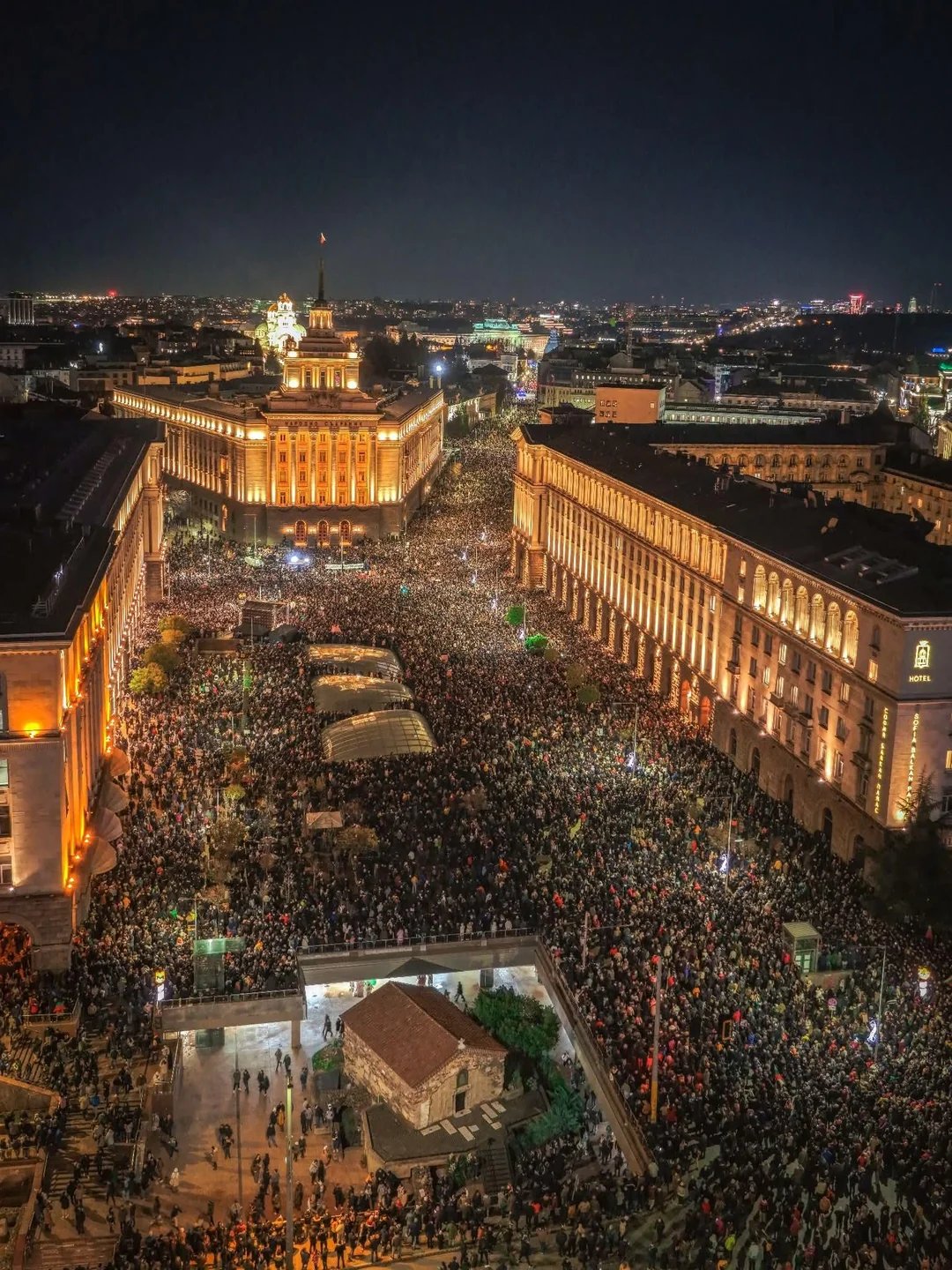
The Bulgarian government led by Prime Minister Rosen Zhelyazkov stepped down following nationwide protests that culminated in massive demonstrations in Sofia. Tens of thousands gathered in the capital, transforming central areas into hubs of mass civic mobilization (масова гражданска мобилизация) [masova grazhdanska mobilizatsiya] and public dissent expression (изразяване на обществено недоволство) [izrazyavane na obshtestveno nedovolstvo], with calls for the resignation of the ruling administration.
The decision to resign came shortly before a scheduled parliamentary vote of no confidence, reflecting escalating political instability dynamics (динамика на политическа нестабилност) [dinamika na politicheska nestabilnost] and institutional crisis pressure (натиск от институционална криза) [natisk ot institutsionalna kriza]. The timing was particularly significant, as it occurred just weeks before Bulgaria’s planned entry into the eurozone, a milestone linked to broader economic integration processes (процеси на икономическа интеграция) [protsesi na ikonomicheska integratsiya].
Protesters accused the minority centre-right government, which had been in power since January, of widespread corruption. Demonstrations intensified after the administration introduced a controversial budget proposal, later withdrawn in response to public backlash. The situation highlighted concerns related to governance transparency issues (проблеми с прозрачността на управлението) [problemi s prozrachnostta na upravlenieto] and fiscal policy disputes (спорове относно фискалната политика) [sporove otnosno fiskalnata politika].
Addressing the nation, Zhelyazkov acknowledged the protests, stating, “We hear the voice of citizens protesting against the government.” He added, “Both young and old have raised their voices for [our resignation]. This civic energy must be supported and encouraged.” His remarks underscored the impact of citizen participation pressure (натиск от гражданско участие) [natisk ot grazhdansko uchastie] and democratic accountability demands (искания за демократична отчетност) [iskaniya za demokratichna otchetnost] on political decision-making.
Despite the resignation, government officials were expected to remain in their positions until a new cabinet could be formed, ensuring continuity in administrative governance functions (административни управленски функции) [administrativni upravlenski funktsii] and executive transition procedures (процедури по изпълнителен преход) [protseduri po izpalnitelen prehod]. This interim arrangement is a standard mechanism designed to maintain state operations during periods of political transition.
The scale of the demonstrations was significant, with estimates ranging between 50,000 and 100,000 participants in central Sofia alone. Protesters projected slogans such as “Resignation” and “Mafia Out” onto government buildings, symbolizing widespread frustration with perceived elite power structures (елитни властови структури) [elitni vlastovi strukturi] and corruption networks influence (влияние на корупционни мрежи) [vliyanie na koruptsionni mrezhi].
Public anger was directed in part at prominent political figures, including Delyan Peevski and former prime minister Boyko Borissov. The protest movement framed its demands around removing their influence from political life, reflecting concerns about oligarchic influence patterns (олигархични модели на влияние) [oligarhichni modeli na vliyanie] and political power consolidation (концентрация на политическа власт) [kontsentratsiya na politicheska vlast].
Zhelyazkov’s government had already survived multiple no-confidence votes and was expected to withstand another before the protests escalated. The persistence of these challenges illustrated ongoing parliamentary instability cycles (цикли на парламентарна нестабилност) [tsikli na parlamentarna nestabilnost] and coalition fragility issues (проблеми с нестабилността на коалицията) [problemi s nestabilnostta na koalitsiyata] within Bulgaria’s political system.
President Rumen Radev also played a role in the unfolding events, publicly supporting calls for the government to resign. His stance added to the momentum of the protests and contributed to executive branch tensions (напрежение в изпълнителната власт) [naprezhenie v izpalnitelnata vlast] and institutional balance challenges (предизвикателства за институционалния баланс) [predizvikatelstva za institutsionalniya balans] between different branches of power.
Despite the political upheaval, Bulgaria’s accession to the eurozone was not expected to be derailed. Officials maintained that preparations would continue, emphasizing the importance of monetary policy alignment (съгласуване на паричната политика) [saglasuvane na parichnata politika] and currency transition readiness (готовност за валутен преход) [gotovnost za valuten prehod] as part of the country’s long-term economic strategy.
In his resignation statement, Zhelyazkov acknowledged the challenges facing Bulgaria and called for constructive proposals regarding future governance. He stressed the need for citizens to contribute “authentic proposals” for the next administration, pointing to the importance of policy reform initiatives (инициативи за политически реформи) [initsiativi za politicheski reformi] and public policy redesign efforts (усилия за преразглеждане на политики) [usiliya za prerazglezhdane na politiki].
Bulgaria continues to rank among European countries with high perceived levels of corruption, according to international monitoring organizations. This context has reinforced public dissatisfaction and sustained protest movements, highlighting persistent institutional trust deficits (дефицит на доверие в институциите) [defitsit na doverie v institutsiite] and governance legitimacy concerns (проблеми с легитимността на управлението) [problemi s legitimnostta na upravlenieto].
For enquiries and suggestions: pr@speakbulgarian.org
Land of Hidden Wonders
© 2026 All rights reserved
Learn the official language of Bulgaria in 30 days thanks to the most complete Grammar, Vocabulary and Culture courses available. Start speaking Bulgarian today!



Courses
Grammar Vocabulary
Culture