
Bulgarian Antarctic Expedition Concludes as Research Vessel Returns to Varna
Scientific mission focused on ocean dynamics and climate risks ends after months in extreme conditions
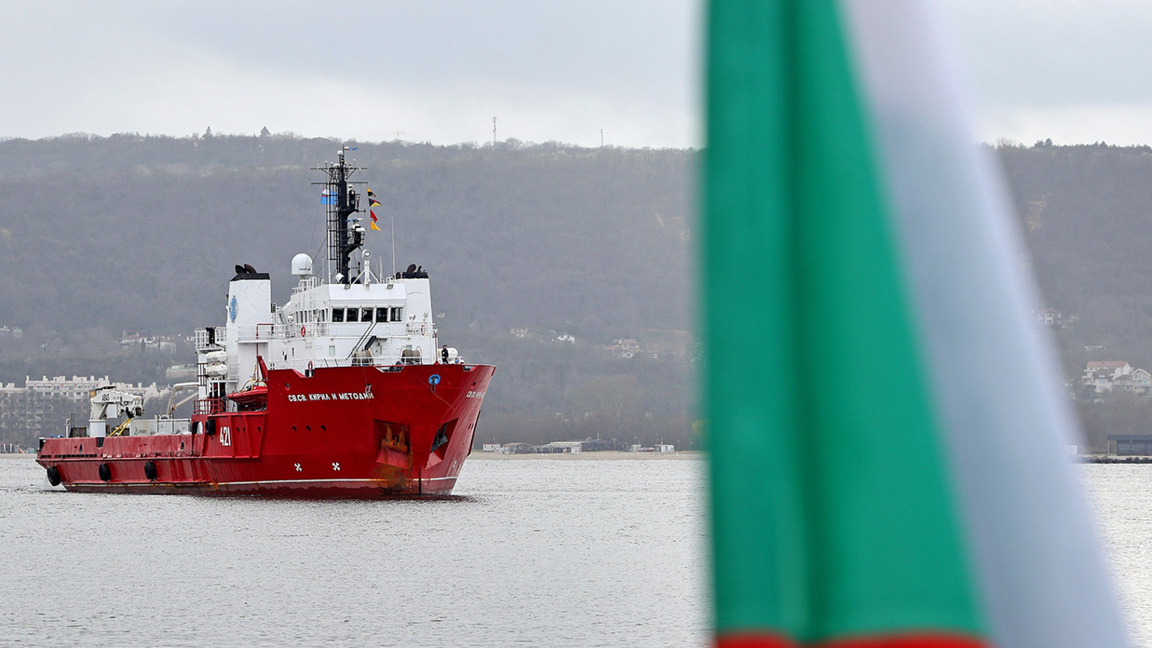
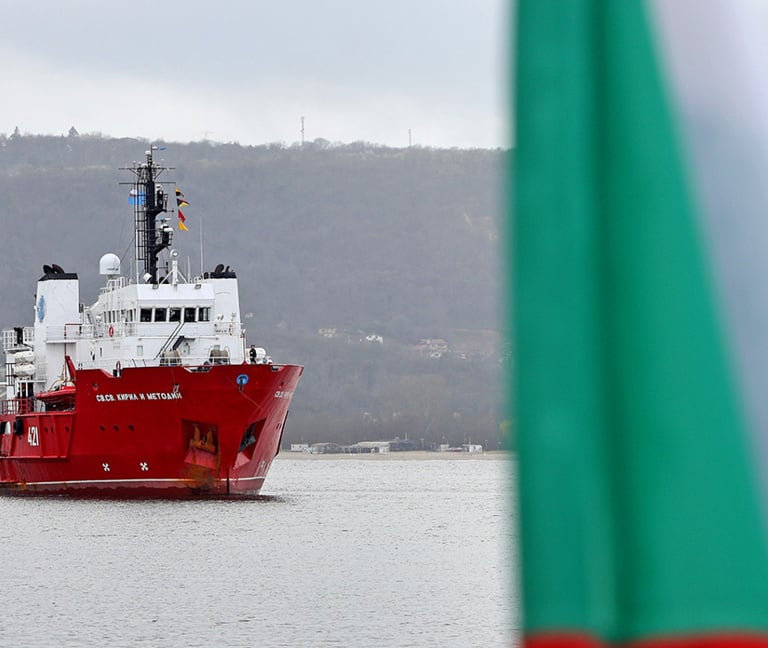
Bulgaria’s research vessel “Sts. Cyril and Methodius” (NIC 421) has returned to the port of Varna, officially marking the conclusion of the country’s 34th Antarctic mission. The ship completed a months-long journey, bringing back scientists and crew who had spent nearly five months operating in an environment defined by extreme climatic conditions (екстремни климатични условия) [ekstremni klimatichni usloviya] and polar research challenges (предизвикателства на полярните изследвания) [predizvikatelstva na polyarnite izsledvaniya].
The expedition focused heavily on the study of ocean processes, particularly the behavior of currents in the Bransfield Strait, located between the South Shetland Islands and the Antarctic Peninsula. Researchers deployed advanced instruments, including radar systems and drifting buoys, enabling detailed oceanographic data collection (океанографско събиране на данни) [okeanografsko sabirane na danni] and marine dynamics analysis (анализ на морската динамика) [analiz na morskata dinamika] in one of the planet’s most sensitive ecosystems.
According to expedition leader Prof. Hristo Pimpirev, the mission ranks among the most successful to date, with a strong emphasis on environmental risks linked to global change. The team examined processes associated with rising sea levels and their potential to flood large coastal areas, highlighting climate impact assessment (оценка на климатичното въздействие) [otsenka na klimatichnoto vazdeystvie] and sea level rise projections (прогнози за повишаване на морското равнище) [prognozi za povishavane na morskoto ravnishte] as key areas of research. He described these developments as “extremely dangerous for humanity.”
The return journey followed a long maritime route across several major waterways, including the Western Mediterranean, the Strait of Messina, the Ionian and Aegean seas, and strategic passages such as the Dardanelles and the Bosphorus before entering the Black Sea. This navigation required careful planning and execution of long-distance maritime logistics (логистика на дълги морски маршрути) [logistika na dalgi morski marshruti] and international sea route coordination (координация на международни морски маршрути) [koordinatsiya na mezhdunarodni morski marshruti].
The vessel had departed Antarctica on February 17, making a final foreign stop in Cartagena, Spain, before heading to Varna on April 2. Part of the voyage also served an educational purpose, with cadets from the Nikola Vaptsarov Naval Academy and trainees from Romania, Poland and Norway joining the ship. Their participation supported maritime training programs (програми за морско обучение) [programi za morsko obuchenie] and technical skill development (развитие на технически умения) [razvitie na tehnicheski umeniya] in areas such as navigation, engineering systems and communications.
Safety training was also a key component of the onboard experience, including drills involving life-saving equipment. These exercises reinforced emergency preparedness protocols (протоколи за готовност при извънредни ситуации) [protokoli za gotovnost pri izvunredni situatsii] and maritime safety standards (стандарти за морска безопасност) [standarti za morska bezopasnost], which are essential for operations in unpredictable ocean conditions.
Crew members emphasized both the emotional and physical demands of the expedition. Senior seaman Ivaylo Nikolov described the return home as deeply meaningful after months at sea, reflecting the human dimension of long-duration missions (мисии с продължителна продължителност) [misii s prodalzhitelna prodalzhitelnost] and crew cohesion dynamics (динамика на сплотеността на екипажа) [dinamika na splotenostta na ekipazha]. The experience of isolation and teamwork played a central role in sustaining operations.
The journey was not without challenges. Captain Radko Muevski reported encountering a severe storm near 42 degrees south latitude that lasted approximately 20 hours, describing it as “a serious test.” This incident highlighted the risks associated with extreme weather navigation (навигация при екстремни метеорологични условия) [navigatsiya pri ekstremni meteorologichni usloviya] and maritime hazard exposure (излагане на морски опасности) [izlagane na morski opasnosti].
Among the expedition participants was Dr. Denis Ismailov from the Military Medical Academy, who provided medical support throughout the mission. His presence ensured the implementation of expedition medical support systems (системи за медицинска подкрепа при експедиции) [sistemi za meditsinska podkrepa pri ekspeditsii] and remote healthcare management (управление на здравеопазването в отдалечени условия) [upravlenie na zdraveopazvaneto v otdalecheni usloviya].
Meanwhile, Bulgaria continues to expand its scientific infrastructure in Antarctica, including the operation of its first meteorological laboratory at the national base on Livingston Island. This development supports ongoing climate monitoring initiatives (инициативи за мониторинг на климата) [initsiativi za monitoring na klimata] and enhances the country’s contribution to polar scientific research networks (мрежи за полярни научни изследвания) [mrezhi za polyarni nauchni izsledvaniya].
All primary objectives of the expedition were successfully completed, reinforcing Bulgaria’s growing role in global polar science. According to Prof. Pimpirev, the country now stands “at the center of world polar science,” reflecting its sustained commitment to international research efforts and its investment in scientific exploration capabilities (възможности за научни изследвания) [vazmozhnosti za nauchni izsledvaniya] and environmental research leadership (лидерство в екологичните изследвания) [liderstvo v ekologichnite izsledvaniya].
For enquiries and suggestions: pr@speakbulgarian.org
Land of Hidden Wonders
© 2026 All rights reserved
Learn the official language of Bulgaria in 30 days thanks to the most complete Grammar, Vocabulary and Culture courses available. Start speaking Bulgarian today!




Courses
Grammar Vocabulary
Culture