Bulgaria Adopts the Euro Following Years of Economic and Political Challenges
Currency transition highlights divisions in society as the country becomes the eurozone’s 21st member
Bulgaria officially entered the eurozone at the end of 2025, becoming its 21st member despite being the European Union’s poorest country. The move marked a major step in the country’s long-term economic integration trajectory (икономическа интеграционна траектория) [ikonomicheska integratsionna traektoriya], following earlier milestones such as EU and Nato membership and entry into the Schengen area. This progression reflects a broader strategy of institutional alignment (институционално съгласуване) [institutsionalno saglasuvane] with European structures.
The transition to the euro has been perceived differently across demographic groups. Younger, urban populations, particularly those involved in business, view the change as an opportunity for growth and improved access to European markets, linked to cross-border trade facilitation (улесняване на трансграничната търговия) [ulesnyavane na transgranichnata targoviya] and financial integration benefits (ползи от финансовата интеграция) [polzi ot finansovata integratsiya]. In contrast, older and rural communities have expressed concerns driven by currency replacement anxiety (тревожност от смяна на валутата) [trevozhnost ot smyana na valutatа] and economic uncertainty perception (възприятие за икономическа несигурност) [vazpriyatie za ikonomicheska nesigurnost].
The Bulgarian lev, in use since 1881, has long been tied to European currencies through a fixed exchange rate system. Since 1997, it has been pegged first to the Deutschmark and later to the euro, ensuring exchange rate stability mechanisms (механизми за стабилност на обменния курс) [mehanizmi za stabilnost na obmenniya kurs] and limiting monetary fluctuations. This long-standing arrangement meant that the euro adoption represents less of a structural shift and more of a formalization of existing monetary policy linkage (връзка на паричната политика) [vrazka na parichnata politika].
Public opinion has remained divided, with surveys indicating a near-even split among the population. Political instability has further complicated the transition, particularly following the resignation of Prime Minister Rosen Zhelyazkov’s government after mass protests. These developments reflect broader governance volatility patterns (модели на управленска нестабилност) [modeli na upravlenska nestabilnost] and policy continuity challenges (предизвикателства за последователност на политиките) [predizvikatelstva za posledovatelnost na politikite].
Individual perspectives illustrate this divide. “I don't want the euro, and I don't like the way it has been imposed on us,” said Todor, a business owner in Gabrovo. He added, “If there were a referendum, I reckon 70% of the people would vote against it.” His concerns were linked to inflationary pressure effects (ефекти от инфлационен натиск) [efekti ot inflatsionen natisk] and consumer demand decline (спад в потребителското търсене) [spad v potrebitelskoto tarsene], which he associated with economic uncertainty surrounding the transition.
Others have taken a more pragmatic view. “On the whole, it's a good thing. It's just a technical change. It doesn't bother me,” said Ognian Enev, a tea shop owner in Sofia. His perspective reflects acceptance of currency standardization processes (процеси на валутна стандартизация) [protsesi na valutna standartizatsiya] and recognition of pricing familiarity adaptation (адаптация към познати ценови практики) [adaptatsiya kam poznati tsenovi praktiki], as many Bulgarians were already accustomed to euro-denominated prices in major transactions.
The practical implementation of the euro has followed a structured timeline. During January, both the lev and euro are accepted for payments, although change is provided in euros. From February onward, the lev ceases to be legal tender. This dual-currency phase supports transaction transition management (управление на прехода при плащанията) [upravlenie na prehoda pri plashtaniyata] and ensures smoother monetary system conversion (преобразуване на паричната система) [preobrazuvane na parichnata sistema].
Retail adaptation has been ongoing since August 2025, when businesses were legally required to display prices in both currencies. This measure aimed to improve transparency and address concerns about price increases through consumer protection mechanisms (механизми за защита на потребителите) [mehanizmi za zashtita na potrebitelite] and price monitoring systems (системи за наблюдение на цените) [sistemi za nablyudenie na tsenite]. Authorities also introduced oversight structures to prevent unjustified price rounding, a common fear during currency transitions.
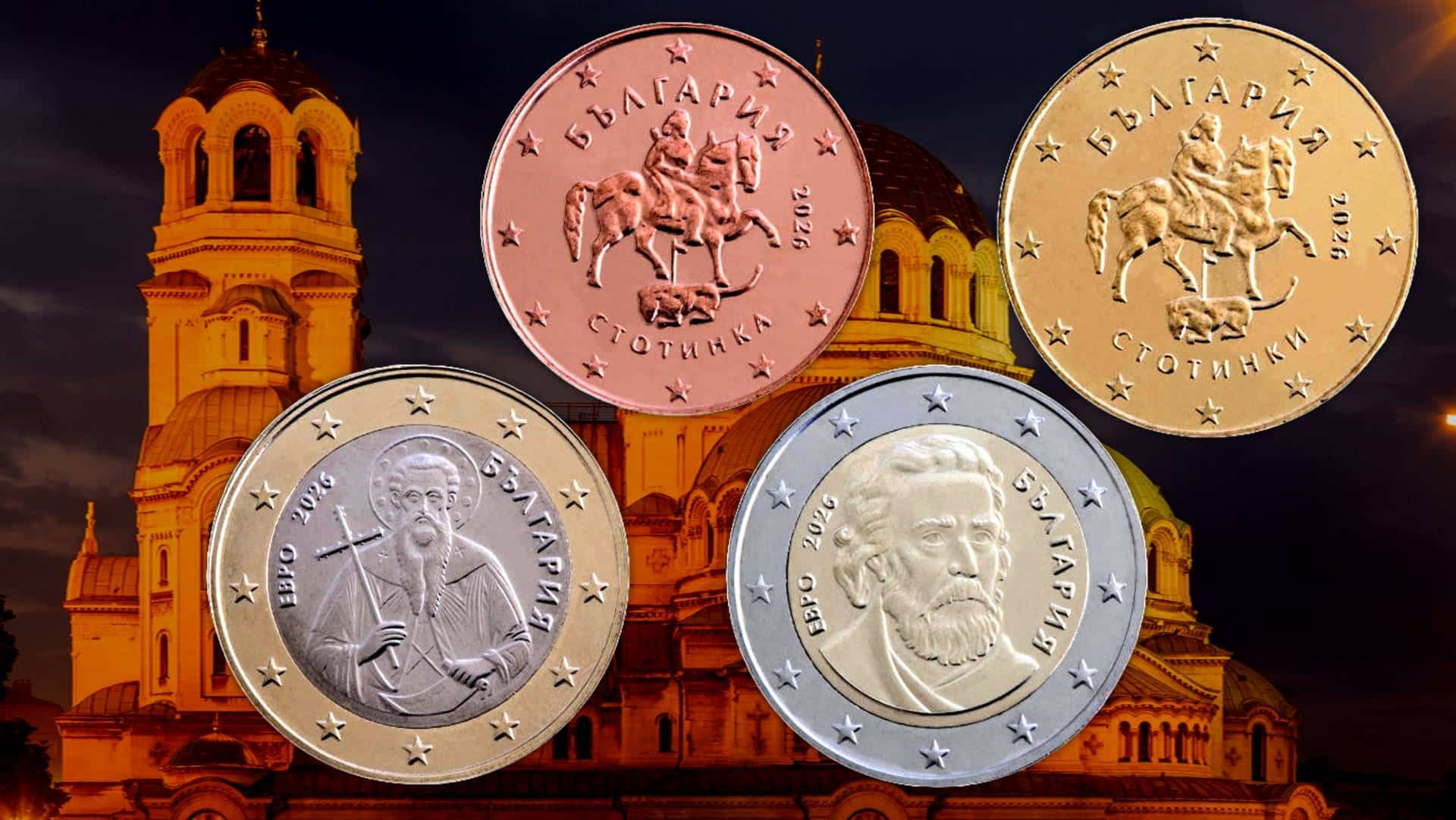
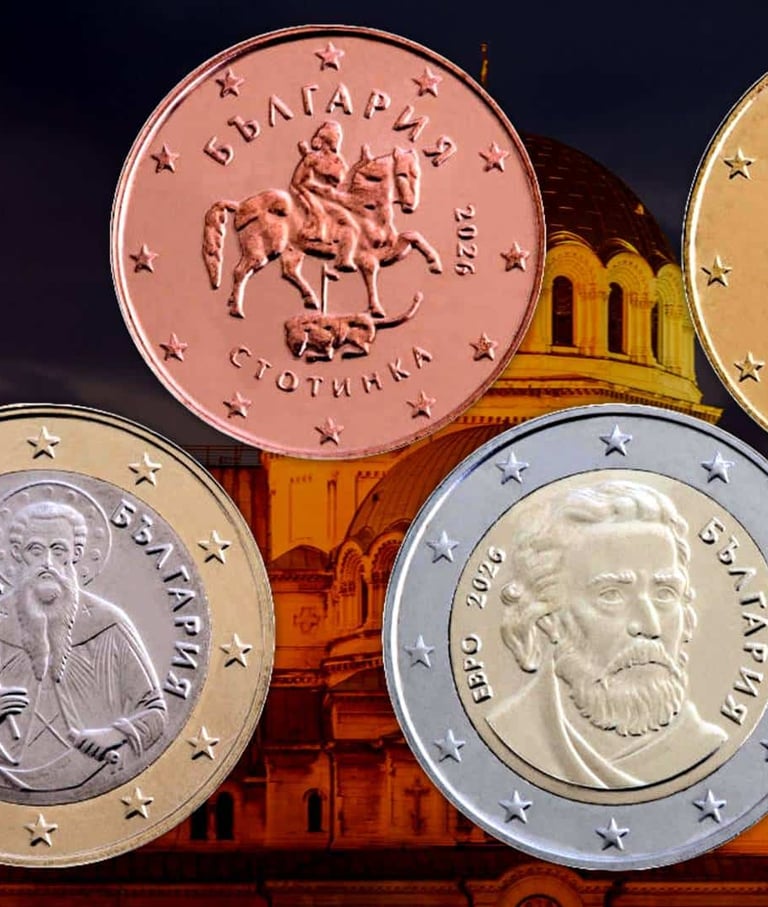
Symbolism has played a role in maintaining national identity during the change. Bulgarian euro coins incorporate historical figures and cultural elements, including St Ivan of Rila and Paisius of Hilendar, as well as the Madara rider. These designs reflect efforts to preserve cultural heritage representation (представяне на културното наследство) [predstavyane na kulturnoto nasledstvo] and mitigate concerns related to sovereignty perception loss (възприятие за загуба на суверенитет) [vazpriyatie za zaguba na suverenitet].
Economic expectations surrounding euro adoption vary. Some anticipate increased trade efficiency, particularly for businesses importing goods from eurozone countries, supported by transaction cost reduction (намаляване на транзакционните разходи) [namalyavane na tranzaktsionnite razhodi] and currency risk elimination (елиминиране на валутния риск) [eliminirane na valutniya risk]. Others remain cautious, citing examples from other eurozone members where adoption did not automatically lead to growth.
Comparisons have been drawn between different economic trajectories observed in the eurozone. The so-called Baltic model, followed by Estonia, Latvia and Lithuania, combined euro adoption with reforms aimed at improving governance and investment conditions. In contrast, countries such as Italy experienced prolonged stagnation. These contrasting outcomes highlight the importance of structural reform implementation (прилагане на структурни реформи) [prilagane na strukturni reformi] and economic policy effectiveness (ефективност на икономическата политика) [efektivnost na ikonomicheskata politika].
The broader impact of the euro transition on Bulgaria remains uncertain and continues to be closely monitored by policymakers, businesses and citizens. The country’s future economic performance will depend on how effectively it leverages its new position within the eurozone while addressing domestic challenges related to productivity, governance and investment. These factors will shape long-term macroeconomic stability outcomes (резултати за макроикономическа стабилност) [rezultati za makroikonomicheska stabilnost] and determine the success of its integration into the European monetary system.
For enquiries and suggestions: pr@speakbulgarian.org
Land of Hidden Wonders
© 2026 All rights reserved
Learn the official language of Bulgaria in 30 days thanks to the most complete Grammar, Vocabulary and Culture courses available. Start speaking Bulgarian today!



Courses
Grammar Vocabulary
Culture